Expanding Access to Addiction Care in Rural America
CLIENT
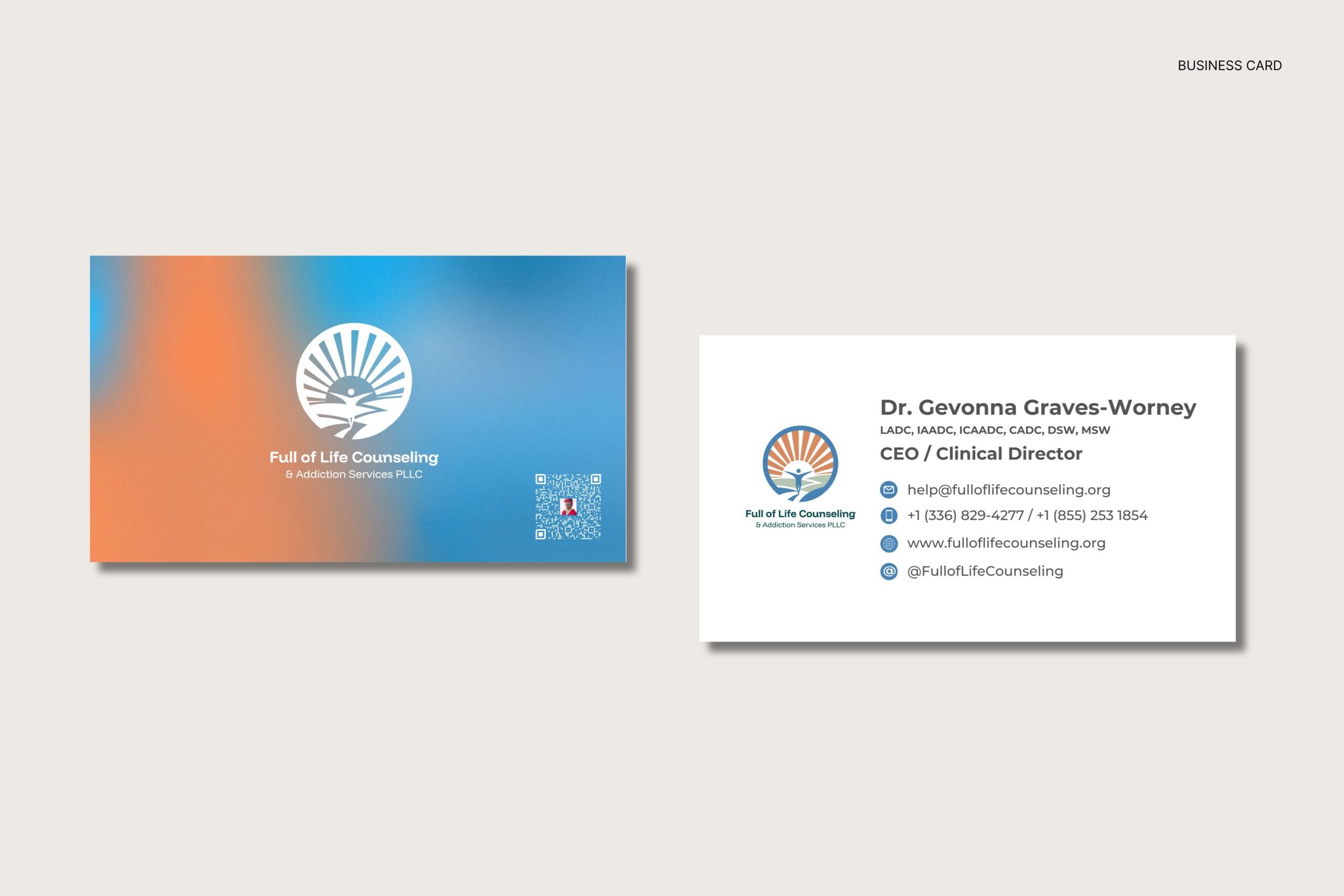
Full of Life Counselling & Addiction Recovery Services
CAPABILITIES
Healthcare Access Strategy, Progressive Web App (PWA), Brand Strategy, Provider Marketing, Patient Acquisition Strategy, Digital Front Door, Creative Direction, Generative AI.
The impact
3x
Increase in patient appointments.
40%
Faster patient intake and onboarding.
30%
Lift in therapist utilization.
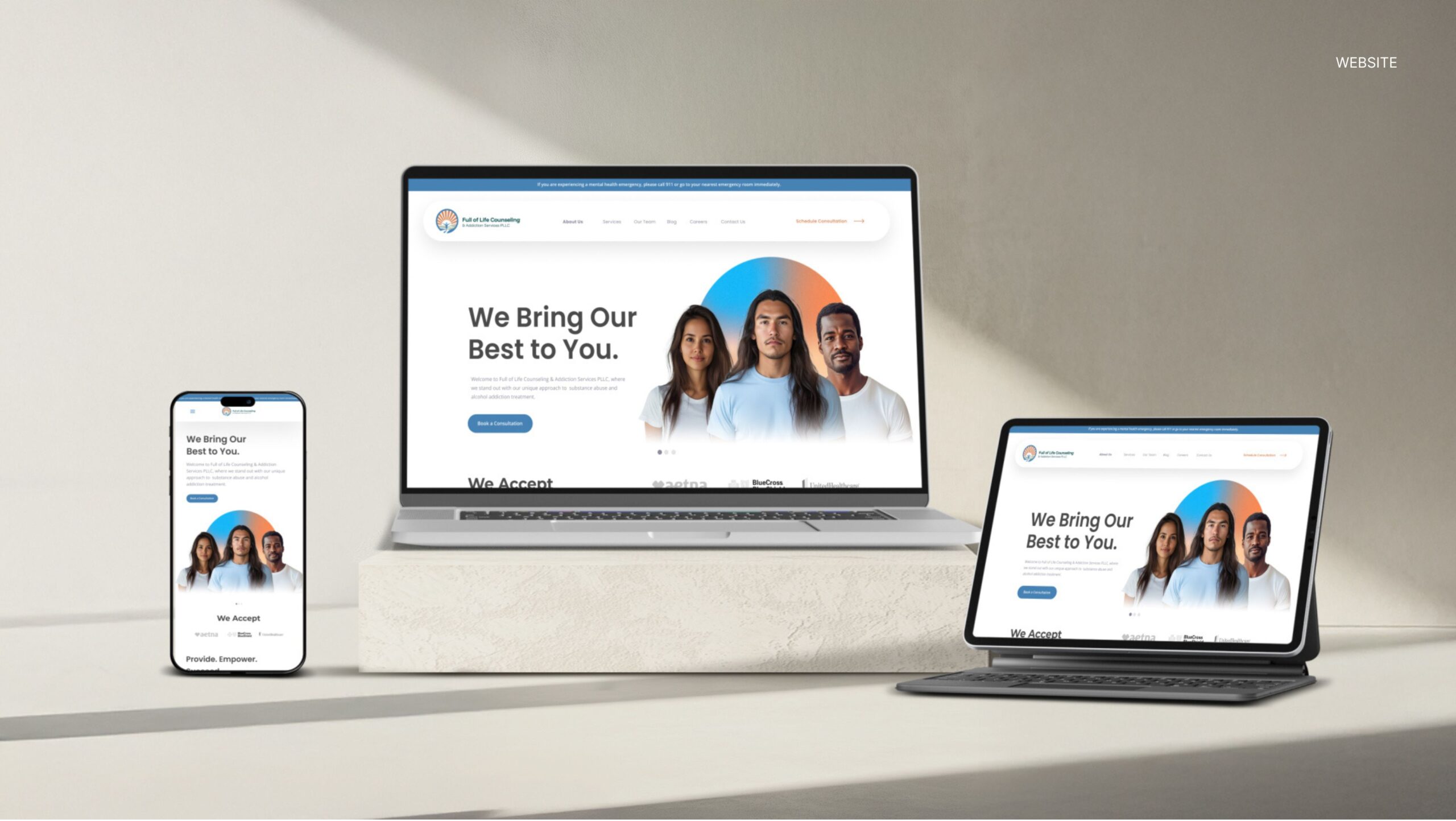
Full of Life Counseling & Addiction Services (FLCAS) provides addiction recovery and behavioral-health services to Native American and historically marginalized communities across rural America. Geographic isolation, limited broadband connectivity, institutional mistrust, and clinician shortages prevented many people from accessing the care they needed. FLCAS engaged me to redesign patient access and expand care capacity. Over a six-month engagement, we focused on three strategic priorities:
Designing a trust-centered patient experience that reduces stigma and strengthens engagement across underserved communities.
Building accessible care infrastructure that enables patients to begin and continue treatment across varying levels of connectivity, location, and digital literacy.
Developing a demand-aligned care-delivery model that expands clinical capacity through strategic recruitment and intelligent workforce planning.
Community-centered patient experience
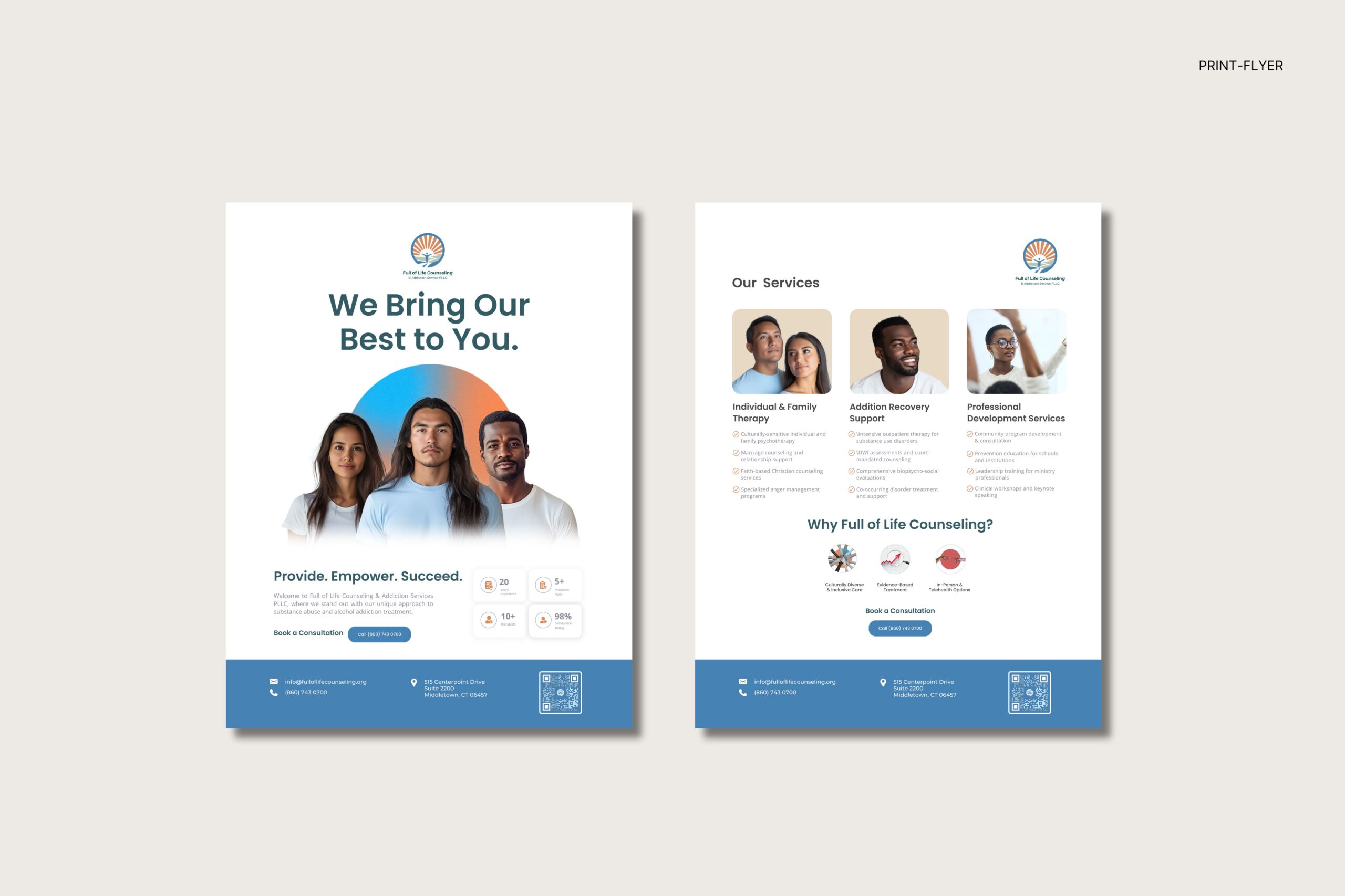
FLCAS was positioned as ‘Your Healing Partner’, shifting the organization from a clinical provider to a trusted community ally. The patient experience emphasized dignity, cultural humility, faith-based healing, and trauma-informed care while reflecting the lived experiences of Native American and other historically marginalized communities.
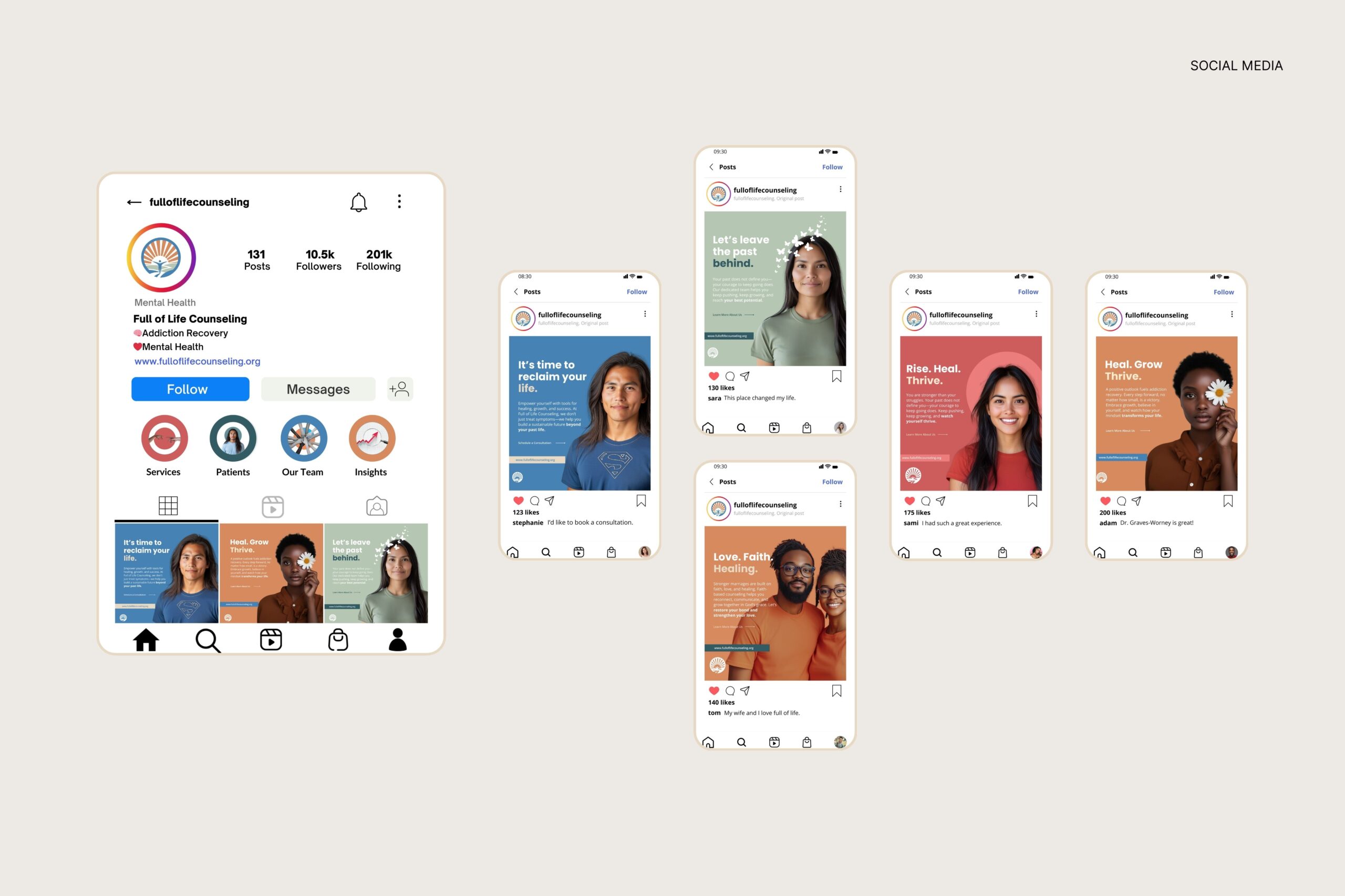
Microinfluencer-driven social campaigns, including ‘I Am Rising Up’, reduced stigma by sharing authentic recovery stories. Community workshops, faith-based events, partnerships with tribal elders, and peer support groups strengthened trust while creating sustainable referral pathways through local relationships.
Accessible care experience
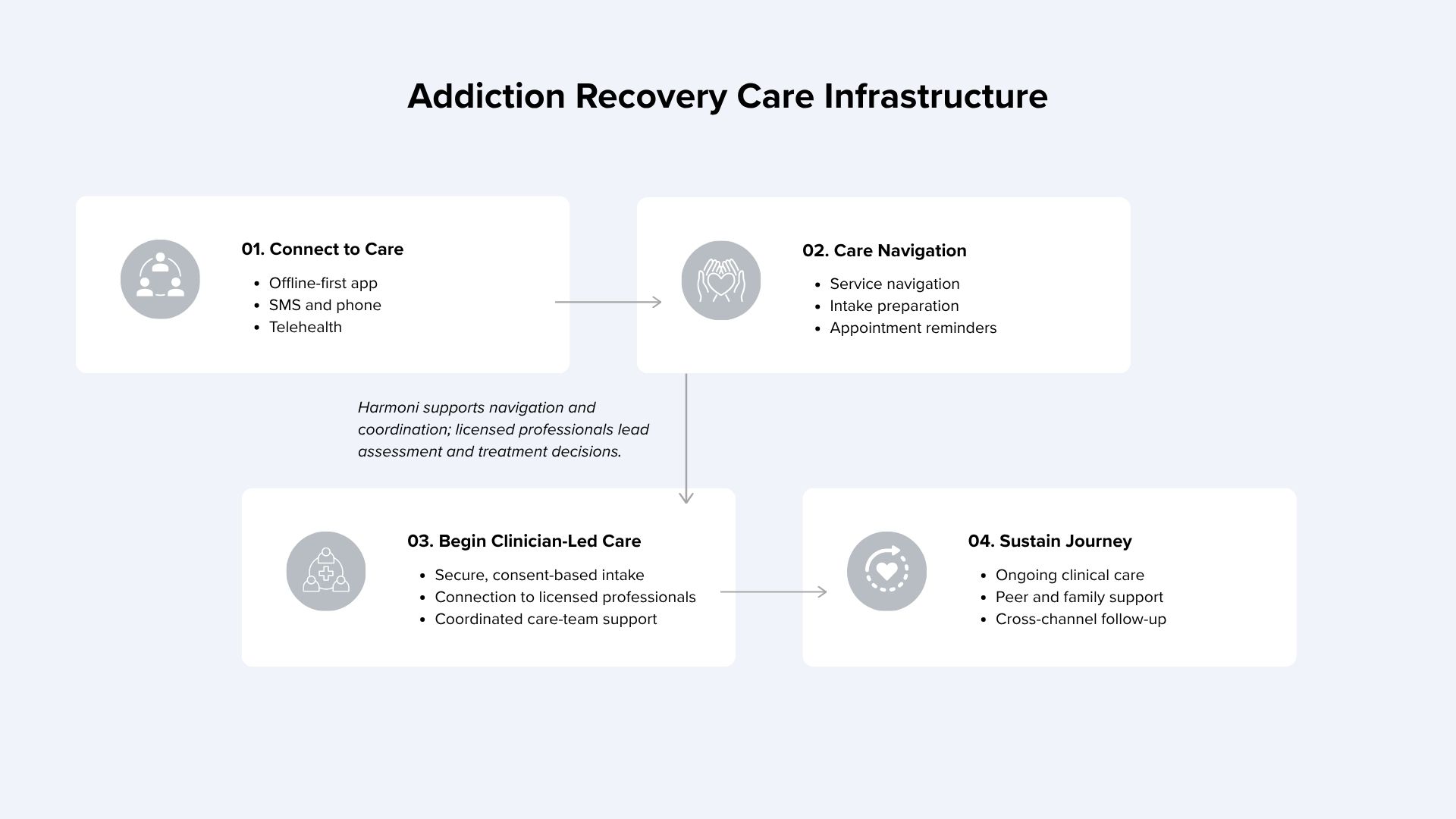
Patient access was redesigned for the realities of rural healthcare. An offline-first progressive web app, telehealth, phone, and SMS created multiple pathways into treatment for people facing connectivity, distance, or digital-literacy barriers. Harmoni, an AI-enabled non-clinical care navigator, supported service navigation, intake preparation, appointment reminders, and connection to care teams. Licensed professionals retained responsibility for clinical assessment and treatment decisions.
Secure, consent-based workflows connected outreach, intake, appointments, and follow-up, enabling continuity of care across channels. The offline-first architecture maintained access to essential services during low-bandwidth conditions and connectivity disruptions.
Demand aligned care delivery
To address clinician shortages in rural and underserved communities, I designed a demand-aligned care-delivery model that expanded capacity as patient demand grew. University partnerships and collaborations with Indigenous behavioral-health organizations strengthened the pipeline of culturally responsive clinicians and helped build a workforce aligned with community needs and values.
AI-enabled decision support helped forecast demand, balance caseloads, and reduce scheduling burden, while clinical leaders retained responsibility for staffing and care decisions. By aligning capacity with anticipated demand, the model helped reduce appointment bottlenecks, improve therapist utilization, and support more timely access to care.
When care is built on trust and designed for real life, distance no longer has to determine who gets help.