Digital Access Strategy, Omnichannel Marketing, Patient Advocacy, Community Engagement, Culturally Informed Care, Creative Direction.
OVERVIEW
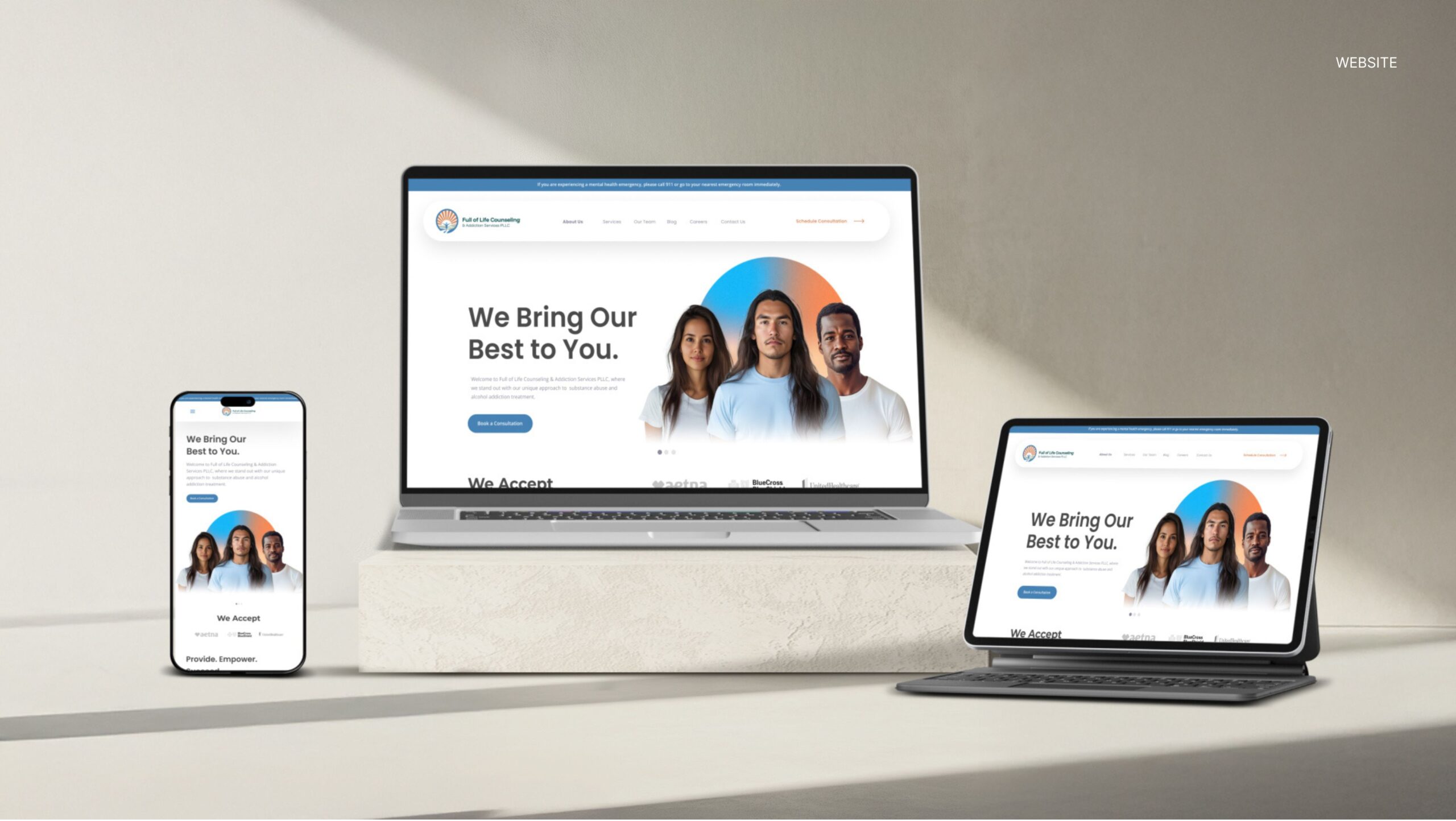
Full of Life Counseling & Addiction Services (FLCAS) provides addiction recovery and behavioral health services to Native American and historically marginalized communities across rural America. Geographic isolation, limited broadband connectivity, institutional mistrust, and clinician shortages prevented many individuals from accessing the care they needed. The organization engaged me to redesign the patient access experience by combining culturally informed care, offline-first digital infrastructure, and AI-enabled navigation to reduce barriers to treatment while expanding clinical capacity.
STRATEGIC PRIORITIES
Over a six-month engagement, I designed patient access capabilities that expanded access to care while delivering a more connected, culturally informed patient experience. The engagement focused on three strategic priorities:
Designing a trust-centered patient experience that reduces stigma and strengthens engagement across underserved communities.
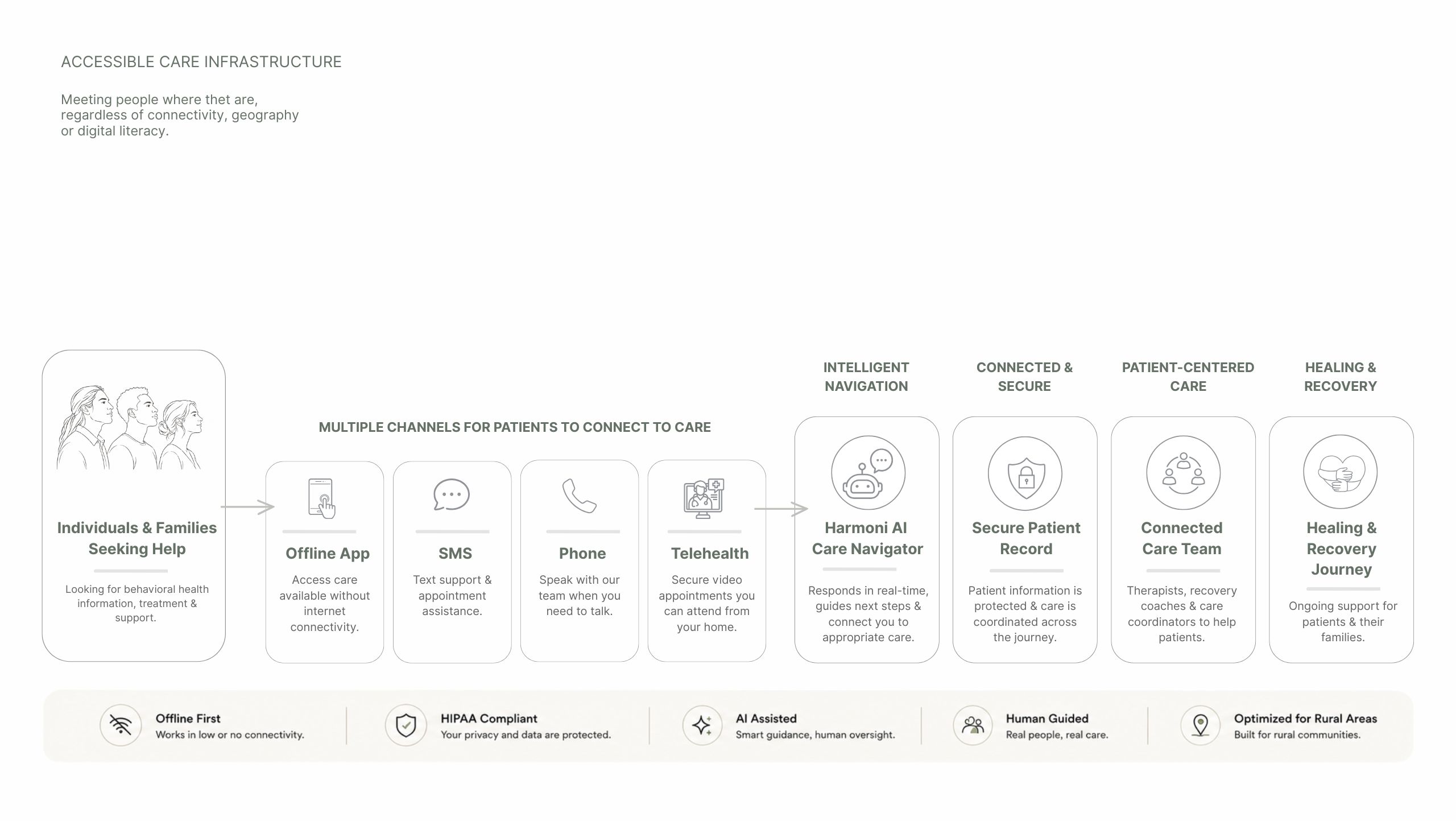
Building an accessible care infrastructure that enables patients to access treatment regardless of connectivity, location, or digital literacy.
Developing a demand-aligned care delivery model that expands clinical capacity through strategic recruitment and intelligent workforce planning.
Community-Centered Patient Experience
FLCAS was positioned as Your Healing Partner, shifting the organization from a clinical provider to a trusted community ally. The patient experience emphasized dignity, cultural humility, faith-based healing, and trauma-informed care while reflecting the lived experiences of Native American and historically marginalized communities. Microinfluencer-driven social campaigns, including I Am Rising Up, reduced stigma by sharing authentic recovery stories. Community workshops, faith-based events, partnerships with tribal elders, and peer support groups strengthened trust while creating sustainable referral pathways through local relationships.
Accessible Care Infrastructure
Patient access was redesigned around the realities of rural healthcare. An offline-first Progressive Web App, telehealth, phone, SMS, and Harmoni, an AI-powered care navigator, created multiple access points. Together, these channels enabled patients to access treatment regardless of internet connectivity or digital literacy. Clinically relevant patient interactions were documented and integrated into a secure longitudinal patient record. Access and consent workflows were designed to align with HIPAA requirements and the minimum necessary standard. This governance provided care teams with a continuous view of each individual’s recovery journey across multiple care settings. The offline-first architecture was designed to maintain access to essential services during connectivity disruptions and low-bandwidth conditions. Patients and providers could continue engaging in care whenever local devices, cached data, and intermittent connectivity were available.
Demand-Aligned Care Delivery
To address clinician shortages in rural and underserved communities, I designed a demand-aligned care delivery model to expand clinical capacity. Strategic recruitment and intelligent workforce planning ensured clinical resources aligned with growing patient demand. University partnerships and collaborations with Indigenous behavioral health organizations strengthened the pipeline of culturally competent clinicians. This approach helped build a workforce that reflected the needs and cultural values of the communities served. AI-enabled decision support for scheduling and workforce planning balanced clinician caseloads and reduced administrative burden. The approach expanded access to care while protecting clinician well-being and maintaining high-quality patient outcomes.
Your Healing Partner
I Am Rising Up
Soulscape: An Immersive Healing Experience
THE IMPACT
Increase in patient appointments
0X
Faster patient intake and onboarding
0%
Lift in therapist utilization
%
KEY TAKEWAYS
Interoperability drives growth by turning every access point into a pathway to care.
Culturally grounded storytelling and community partnerships transform stigma into engagement and referrals.
Designing access around lived recovery experiences improves both outcomes and engagement.
Sustainable growth requires aligning patient demand with workforce planning to avoid waitlists and clinician burnout.